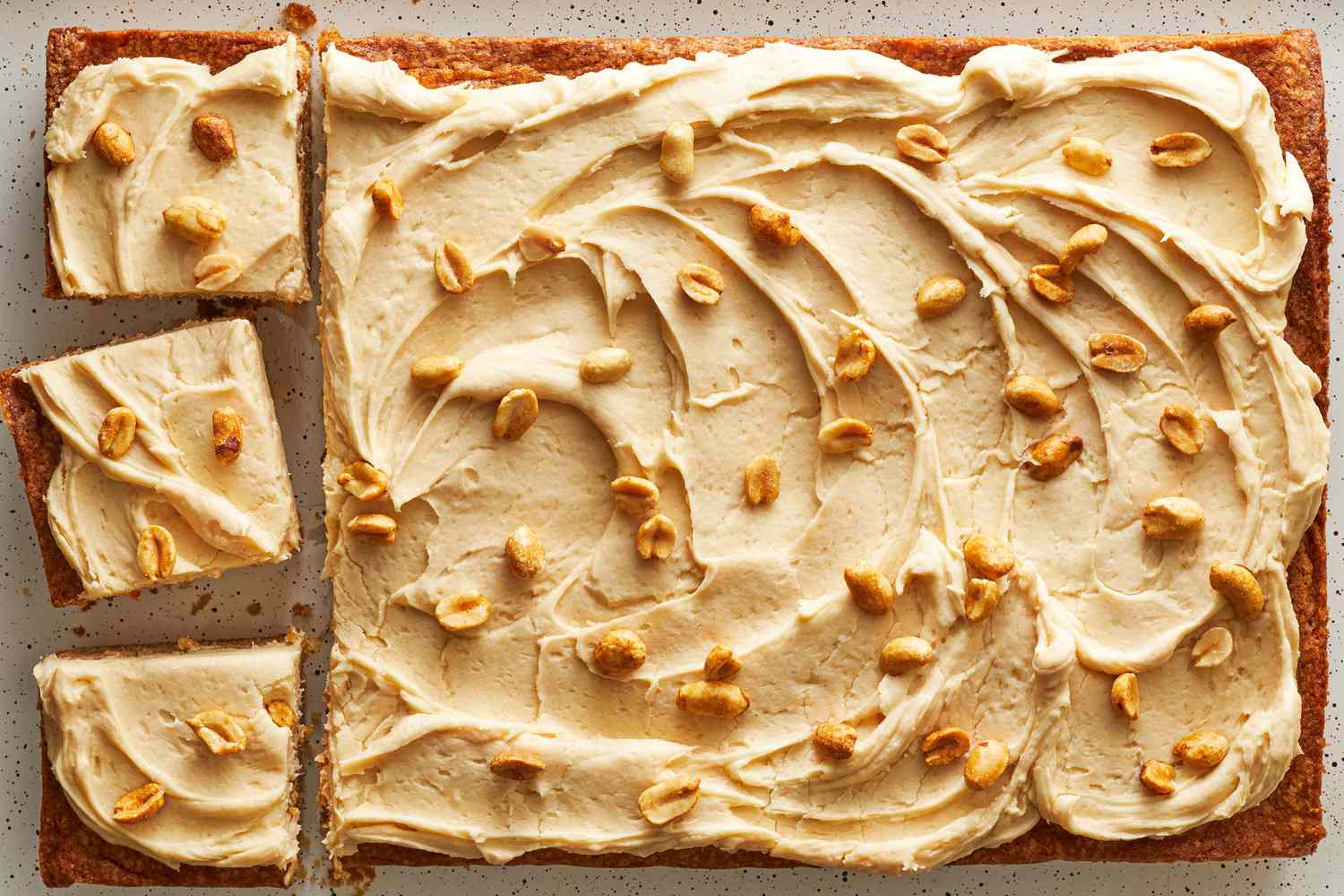
Unlock the Secret to the Perfect Peanut Butter Cake: Choosing Your Peanut Butter Wisely
Imagine a cake so profoundly delicious, so exquisitely moist and tender, that each bite melts effortlessly in your mouth, leaving behind a symphony of rich, creamy peanut butter flavor. This isn't just a dream for avid bakers and peanut butter enthusiasts; it's the reality of a perfectly executed peanut butter cake. While many elements contribute to such a masterpiece—from the flour to the frosting—there's one unsung hero that often goes overlooked but fundamentally shapes the outcome: the peanut butter itself. Selecting the right type of peanut butter is not merely a preference; it's a critical decision that impacts flavor, texture, and overall sweetness.
The Irresistible Allure of a Perfectly Crafted Peanut Butter Cake
If you consider yourself a peanut butter connoisseur, then a well-made peanut butter cake isn't just a dessert; it's an experience. The magic begins with cake layers that are incredibly soft, infused with genuine peanut butter flavor that's pronounced yet never overwhelming. This delicate balance ensures that the cake is satisfying without being too heavy or cloying. But often, the true star of any exceptional peanut butter cake recipe is its frosting. Picture a cloud-like, velvety frosting that's lightly sweetened, whipped to perfection, and quite literally dissolves on your tongue, amplifying the cake's rich flavor profile. It’s this combination of tender cake and ethereal frosting that defines 'melt-in-your-mouth' perfection.
Achieving this level of decadence requires attention to detail, and it all starts with understanding your ingredients, especially the main flavor contributor: peanut butter. The journey to a truly unforgettable peanut butter cake recipe is paved with thoughtful choices, not just following instructions.
The Secret Ingredient: Why Your Peanut Butter Choice Matters More Than You Think
When embarking on your peanut butter cake adventure, the type of peanut butter you choose can be the difference between a good cake and a truly extraordinary one. It's not just about the brand; it's about the consistency, sugar content, and even the processing of the peanut butter.
Creamy vs. Crunchy: The Texture Foundation
- Creamy Peanut Butter is King: For most cake and frosting recipes, creamy peanut butter is the undeniable champion. Its smooth, uniform texture integrates seamlessly into batters and frostings, ensuring a consistent mouthfeel and preventing unwanted lumps. Crunchy peanut butter, while delicious on a sandwich, introduces textural inconsistencies that can disrupt the delicate crumb of a cake or make a frosting gritty. For the silkiest layers and the most velvety frosting, stick to creamy.
Sweetened vs. Unsweetened: Mastering the Sweetness Balance
This is arguably the most critical distinction. Most commercial peanut butter brands like Skippy or Jif contain added sugar and often other stabilizers. Using these can significantly impact the final sweetness of your cake. Many peanut butter cake recipe developers prefer an unsweetened, natural creamy peanut butter for several reasons:
- Control Over Sweetness: Unsweetened peanut butter allows you to precisely control the sugar levels in your cake and frosting. If you use a sweetened variety, your finished cake will naturally be sweeter. While this might be fine for some, if you prefer a less sweet dessert, unsweetened is the way to go.
- Flavor Purity: Unsweetened peanut butter often provides a purer, more pronounced roasted peanut flavor, allowing it to shine through without being masked by excessive sugar.
Pro Tip for Sweetened Peanut Butter Users: If you only have sweetened peanut butter on hand and prefer a less sweet cake, you can slightly reduce the sugar called for in the cake batter. However, proceed with caution! Sugar is not just for sweetness; it plays a vital role in the cake's texture, contributing to moisture, tenderness, and browning. Reducing too much sugar can result in a dense, dry cake that lacks the desired soft, fluffy texture. A slight reduction (e.g., 10-15%) is usually safe, but avoid drastic changes without understanding the full implications.
Natural vs. Stabilized/No-Stir: Consistency is Key
Another factor to consider is whether your peanut butter requires mixing before use. Natural peanut butter often separates, with a layer of oil rising to the top. While delicious, this can introduce inconsistency into your baking if not thoroughly mixed every time. If you accidentally incorporate too much oil or too little peanut butter solids, it can throw off the fat-to-dry ingredient ratio in your peanut butter cake recipe, impacting the final texture significantly. A peanut butter that doesn't require thorough mixing (i.e., it doesn't have a thick oil layer on top) ensures more consistent results because its fat content is evenly distributed throughout the jar. This is often achieved through stabilizers in "no-stir" or commercial brands.
Beyond Peanut Butter: Pro Tips for Peanut Butter Cake Perfection
While the right peanut butter sets the foundation, several other baking principles contribute to a truly flawless peanut butter cake.
- Accuracy with a Scale: Baking is a science, and precision yields superior results. Peanut butter, with its high fat content, is particularly sensitive to measurement. Too much or too little can drastically alter the cake's texture, making it either too greasy or too dry. A kitchen scale is your best friend for accuracy, ensuring you get the exact quantities needed for that perfect crumb. While you might get by without one, a scale guarantees consistency and elevates your baking.
- Room Temperature Ingredients: This tip is a game-changer for many recipes, including a peanut butter cake recipe. Room temperature butter, eggs, and milk emulsify better, creating a smooth, uniform batter that bakes evenly and results in a lighter, fluffier cake.
- Don't Overmix: Once you've combined your wet and dry ingredients, mix just until incorporated. Overmixing develops gluten, which can lead to a tough, chewy cake rather than the desired soft and tender crumb.
- Proper Pan Preparation: Always preheat your oven to the correct temperature and prepare your cake pans thoroughly. Greasing and flouring, or using parchment paper and a good cake release, ensures your beautiful cake layers come out cleanly and intact.
For more in-depth advice on achieving those melt-in-your-mouth layers, refer to our guide: Bake the Creamiest Peanut Butter Cake: Pro Tips for Melt-in-Your-Mouth Layers. And if you want to elevate your frosting game to new heights, explore Mastering Peanut Butter Cake: Unlock the Secret to Velvety Frosting.
Crafting Your Dream Peanut Butter Cake: A Step-by-Step Overview
While the specifics of every peanut butter cake recipe vary, the general process typically involves a few key stages. You'll usually start by whisking together dry ingredients like flour, sugar, and baking soda. In a separate bowl, wet ingredients such as milk, eggs, vanilla, butter, oil, and of course, peanut butter, are combined. Often, the butter, oil, water, and peanut butter are gently heated to melt and meld before being added to the dry mixture. This method helps to create a cohesive and flavorful batter. The mixture is then poured into prepared pans and baked until golden and set. The final, magical touch is always the frosting, transforming simple layers into an irresistible dessert.
Conclusion
The journey to baking the perfect peanut butter cake is a rewarding one, culminating in a dessert that is as much a feast for the eyes as it is for the palate. While many factors contribute to its success, remember that the seemingly small decision of choosing your peanut butter holds immense power. Opting for creamy, preferably unsweetened, and consistently blended peanut butter lays the groundwork for impeccable texture and balanced flavor. By understanding these nuances and applying a few essential baking tips, you're not just following a peanut butter cake recipe; you're crafting an unforgettable culinary experience that will satisfy even the most ardent peanut butter cravings. So, choose wisely, bake confidently, and prepare to indulge in the ultimate peanut butter perfection.
